No Joke – Just Make It An Infinite Mortgage
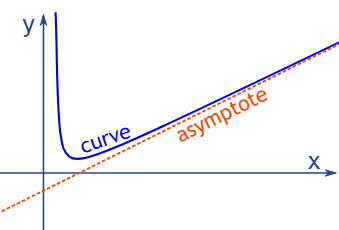
In the purest mathematical way, mortgages eventually hit an asymptote. Long-duration mortgages become identical to infinite mortgages.
Jesse Cramer created The Best Interest to explain personal finance and investing in simple terms. His writing has been featured by CNBC, MSN, The Motley Fool, and other national publications. He resides in Rochester, NY with his wife and their dog, where he works in wealth management. Follow Jesse on Twitter: @BestInterest_JC
In the purest mathematical way, mortgages eventually hit an asymptote. Long-duration mortgages become identical to infinite mortgages.

If we think that the stock market is overvalued right now, doesn’t it make sense to sell some stocks and move that money to cash?

Should I use an annuity to execute a tax-free Roth Conversion? That’s what they told me at the free steak dinner…

Should you assume 10% returns from the stock market – or something else – when projecting out your retirement plan?

We must zoom out and revisit first principles. How did we get here? We’ll gain a broader understanding of how to effectively apply the 4%… Read More »The 4% Rule, 4.7% Rule…We Need To Rethink All of Them

Considering the number of uncertainties about these future inheritances, how do we adjust our financial plans today?