Don’t miss an episode of our podcast, Personal Finance for Long-Term Investors. Available on all podcast players.
Here’s the latest episode:
Jay wrote in and asked:
I’m curious if you’ve gone over DINK (double income no kids) options for those that don’t feel the need to pass on any money to future generations either. For example, if we eventually have no mortgage on our house a reverse mortgage sounds appealing.
Let’s cover the basics of reverse mortgages, share some of the pros and cons, and ultimately discuss when they might be worth looking into.
The Basics of a Reverse Mortgage
Standard reverse mortgages are a special type of home loan available to homeowners aged 62 or older. They allow these homeowners to convert part of their home’s equity into cash without selling the house or making monthly mortgage payments.
So far, it sounds a little too good to be true. The homeowner keeps their house and receives a lump-sum payment?
Yes, but there’s a catch.
The homeowner is now indebted to a lender, just like in any other mortgage. And the debt grows over time due to interest and fees.
The loan is typically repaid when the homeowner sells the home or passes away. At that point, the proceeds from the home’s sale are used to pay off the loan, with any remaining equity going to the homeowner or their heirs.
Reverse mortgages can be a lifeline for retirees needing extra income. But they also reduce home equity, come with interest and fees, and can complicate estate planning.
The Pros of a Reverse Mortgage
Most financial products are a combination of heaven and hell, and reverse mortgages are no different. Let’s start with heaven. What are the pros of a reverse mortgage?
- There are no monthly payments. You can stay in your home without a monthly bill, freeing up cash flow in retirement
- You keep your house and you can age in place. The title still has your name on it and you can’t be forced out as long as you meet the terms of the loan.
- The proceeds are tax-free. The money doesn’t count as income so it generally doesn’t affect retiree taxation concerns.
- The loan is non-recourse, which is a fancy way of saying that neither you nor your heirs will ever owe more than what the home is worth. Even if the loan balance ends up exceeding the home value, FHA insurance covers the shortfall.
- Your heirs will have options. They can keep the home by paying off the loan or by paying 95% of the home’s appraised value (if that’s a lesser number).

The Cons of a Reverse Mortgage
Heaven seemed nice! What about hell?
- There are high upfront costs. Commonly, there’s an initial FHA mortgage insurance premium (2% of the home’s value), origination fees (many $1000’s), and closing costs. It’s an especially expensive proposition if you will only need the loan for a short period of time.
- Growing debt, shrinking equity. Interest grows against you. Mortgage insurance compounds against you. These factors consume your home equity over time.
- Your heirs inherit less. For the benefit of tapping into your home liquidity, your heirs will inherit less of the home than they otherwise would have. Else, they’ll have to buy out the loan (paying more in costs than the benefits that you received)
- You can still lose the home (!!!). Not only can falling behind on taxes or insurance cause you to lose the home, but even falling behind on maintenance and upkeep can trigger a default and a foreclosure.
- It’s complex and attracts scams. Reverse mortgages aren’t simple, and senior citizens are already frequent targets of pushy sales tactics and outright illegal fraud.
Speaking of #5, let’s spend a little time discussing the “ugly” side of reverse mortgages.
The Ugly: Why Reverse Mortgages are So Maligned
There’s no doubt that reverse mortgages have a checkered and even ugly past. A few examples why:
Reverse Mortgage –> Annuities
Prior to the Housing and Economic Recovery Act of 2008, financial salespeople were allowed to use reverse mortgages as a way to generate money that they could then use to sell other products with.
A common pitch would have a senior citizen take a large reverse mortgage, and then put that lump sum of money into a deferred annuity or other insurance product that paid the salesperson a hefty commission.
The senior citizen then paid interest and fees on the reverse mortgage while their money sat locked in an annuity with surrender penalties.
Shame!

Misleading Ads
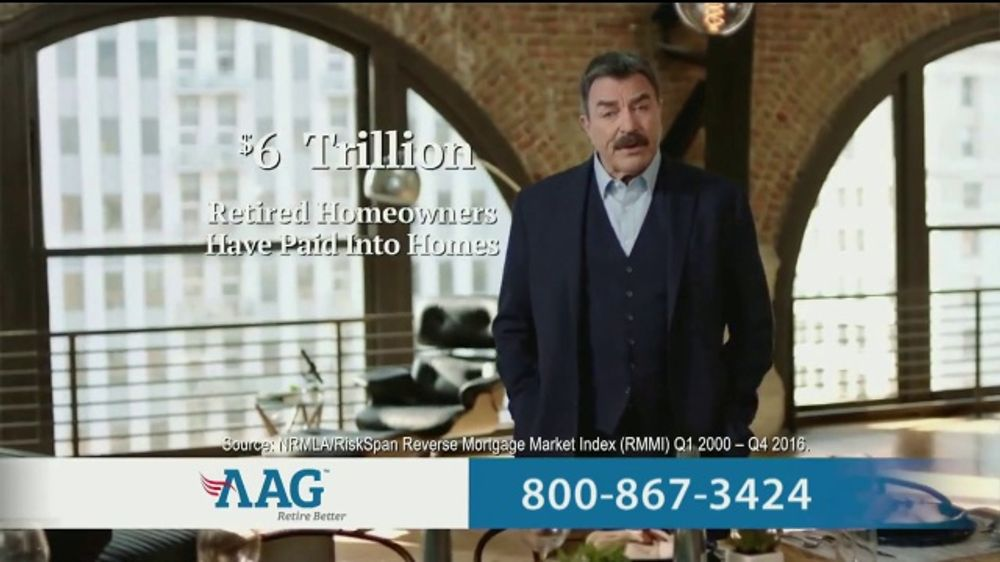
You might remember TV advertisements featuring Tom Selleck, Fred Thompson, or Henry Winkler, espousing the benefits of reverse mortgages.
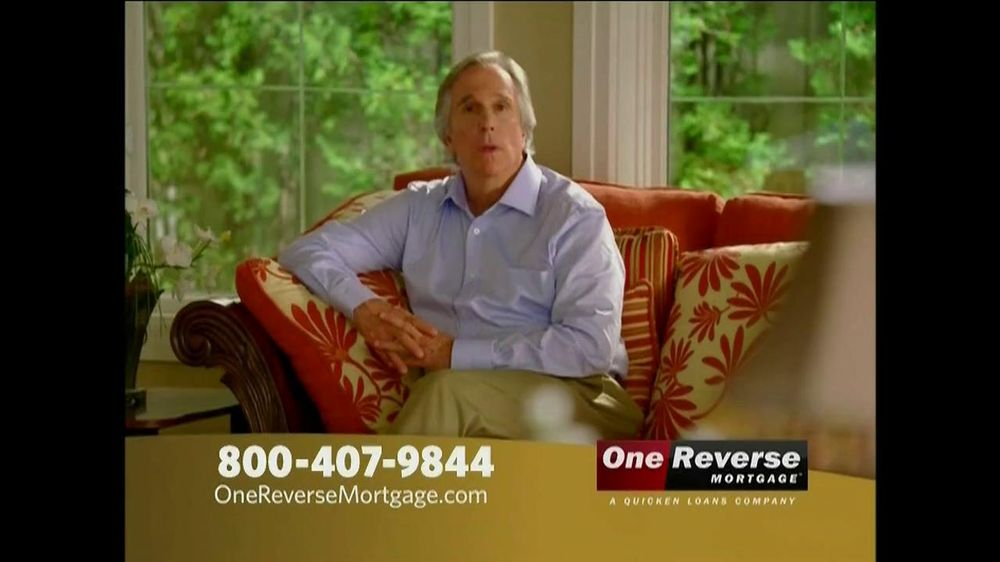
In 2015 the Consumer Financial Protection Bureau published findings that many consumers had false impressions of reverse mortgages, directly as a consequence of these advertisements.
For example, many consumers believed that the loan was a government benefit, and that it carried no risk, and that they could never lose their home.
Outright Fraud
One unfortunate consequence of the human condition is that if you make large piles of money readily available, then conniving people will go to extreme lengths, often illegal lengths, to get at that money.
One common scam involving reverse mortgages involves the recruitment of a senior citizen via the offer of a “free house” or an “investment opportunity.”
The scammers buy a distressed property, inflate the appraisal, then place a senior citizen in the house simply to then take out a reverse mortgage. The scammer keeps the inflated proceeds from the mortgage, but leaves the senior citizen and FHA insurance on the hook, holding the loss.
A more close-to-home scam involves direct family or caregivers pressuring an older relative into a reverse mortgage and then taking control of the money.
And then of course, there’s identity theft. Criminals have used stolen identities and/or falsified documents to take a reverse mortgage on a home belonging to an elderly person, or even belonging to a now-deceased owner. The elderly owner isn’t even aware that the reverse mortgage has been taken out. The reverse mortgage lump sum, goes to the criminal. The homeowner is left having to untangle a complete mess.
Should Retirees Consider a Reverse Mortgage?
Reverse mortgages, in their pure form, are a nifty tool for any retiree to have as a potential option.
Datasets often cite that the average American retiree homeowner has something like 50% of their net worth tied up in primary home equity. Tapping into that equity – without having to move – seems like a great thing.
But they are not without risk. And for that reason, I prefer to ensure that a retirement plan works well without needing to rely on a reverse mortgage.
Perhaps there’s no better summary statement for a reverse mortgage than this idea (originally from the world of insurance products):
They should be BOUGHT, not SOLD.
Too often, whole life insurance and annuities are sold to people, pushed on people. Far better outcomes would occur if, instead, these products were only bought when a consumer truly needed one.
Similarly, reverse mortgages lead to bad outcomes when they are sold and pushed. If, instead, an unbiased financial analysis suggests a good fit for a reverse mortgage, good outcomes are far more likely.
Thank you for reading! Here are three quick notes for you:
First – If you enjoyed this article, join 1000’s of subscribers who read Jesse’s free weekly email, where he send you links to the smartest financial content I find online every week. 100% free, unsubscribe anytime.
Second – Jesse’s podcast “Personal Finance for Long-Term Investors” has grown ~10x over the past couple years, now helping ~20,000 people per month. Tune in and check it out.
Last – Jesse works full-time for a fiduciary wealth management firm in Upstate NY. Jesse and his colleagues help families solve the expensive problems he writes and podcasts about. Schedule a free call with Jesse to see if you’re a good fit for his practice.
We’ll talk to you soon!